fbpx
Crunchy Matcha Granola Recipe

Crunchy Matcha Granola Recipe

Matcha granola is a scrumptious mixture of golden clusters of oats, toasted coconut pieces, raw almonds and dried cranberries. Deliciously sweetened by pure maple syrup and balanced with the earthiness and umami of matcha  

Servings

8

Ready In:

1hour 15min

Good For:

Anytime!

Crunchy Matcha Granola Recipe

This is a perfect recipe for those who are looking for a healthy alternative to your traditional cereal breakfast. We love the versatility of granola because you can eat it for breakfast, dessert or even as a snack on the go. Making your own granola mix is not only affordable but super fun and simple to do.  Your wallet will not feel the pinch, but your tummy will be contented! 

Generally, you have complete control of what goes into your granola – you can add your favourite nuts, dried fruits or even chocolate chips if you desire.  


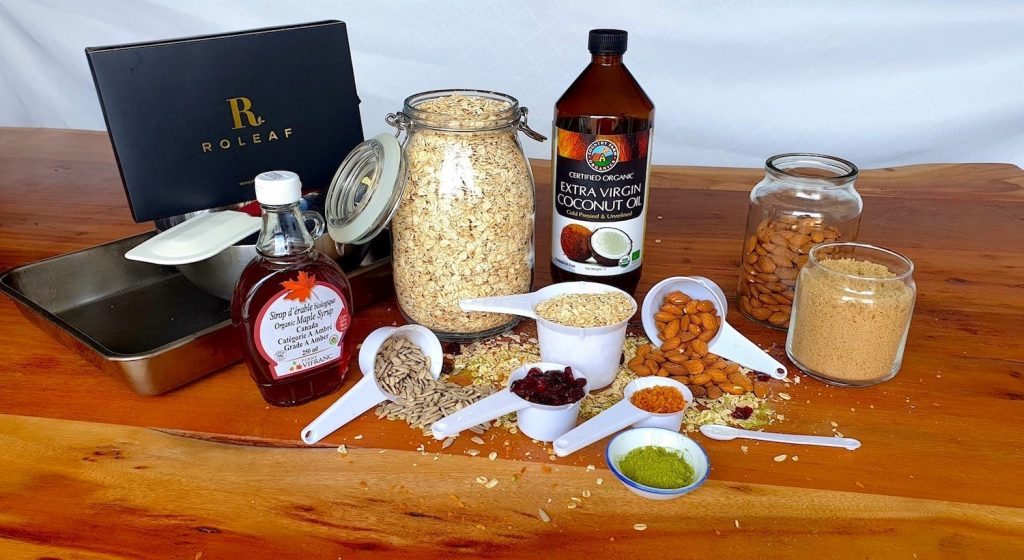
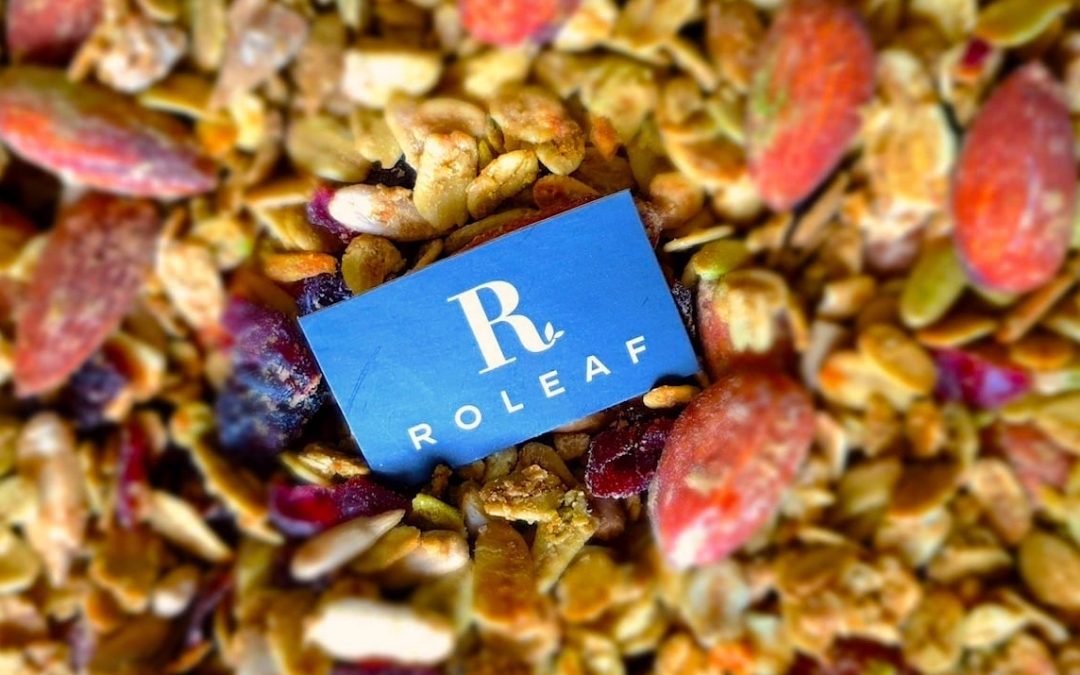
matcha granola spread with many ingredients

Origin of Granola

For those who have yet to experience the delectable taste of Granola, it is indeed a must-try. Generally, granola consists of a mixture of rolled oats, nuts, dried fruits and sometimes confectionary. A type of oil is then added to the mixture and baked together until golden brown. It can be eaten on its own, but is infinitely inviting on top of desserts or accompanied with Greek yoghurt, fresh fruits or honey!

Before Granola was invented, grains like oats were usually eaten cooked. In fact, eating it cold was extremely dry, unpleasant and almost unpalatable. It was not until a man by the name of James Caleb Jackson who experimented with baking grains came up with a cereal and named it ‘granula‘. Subsequently, John Harvey Kellogg (does his name ring a bell?) also came up with another similar cereal, but named it granola after facing legal issues with using the term granula. In brief, that was how Granola was birthed.

Ingredients

The best part of making granola is the freedom to choose your ingredients. If you are allergic to nuts, alternatively, you can replace them with seeds or dried fruits. Nonetheless, remember to have fun mixing your own granola.

You can add the matcha powder after baking the granola. If you mix it after baking, it may give an unpleasant mouthfeel of eating powder. However, if you find that there isn’t enough matcha flavor after baking, you can add more matcha powder, but mix it well to reduce the powdery texture.  

Dry Ingredients

  • 3 cups of rolled oats
  • 1 cup of nuts (we used almonds)
  • 1/2 cup of seeds (we used sunflower seeds)
  • 1/2 cup of toasted coconut pieces or coconut flakes
  • 1/2 cup of dried berries (we used cranberries)
  • 1/2 tsp of sea-salt (or 1/4 tsp of table-salt)

Wet Ingredients

  • 1/4 cup of maple syrup (alternatively, you can use honey)
  • 1/4 cup of coconut oil
  • 2.5 tbsp of Matcha
  • 1 tsp of vanilla extract (optional) 
  • 3 tbsp of brown sugar (optional)

Step by Step Instructions

Step 1

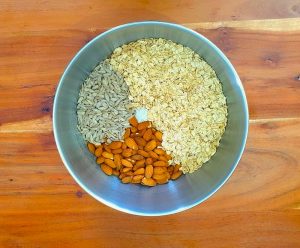
Firstly, mix the oats, nuts, seeds and salt together in a big bowl and set aside. Do not add the dried fruit and toasted coconut yet.

dry ingredients of matcha granola
Step 2

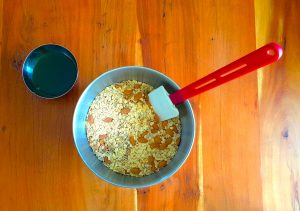
Secondly, mix the coconut oil and maple syrup with the matcha in a smaller bowl until incorporated. Additionally, you can also add vanilla extract and brown sugar.

pre mix of matcha granola
Step 3

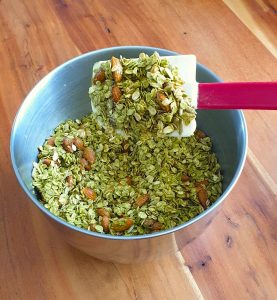
Drizzle the wet mixture over the dry ingredients. Mix well until well coated.

    mixed matcha granola
    Step 4

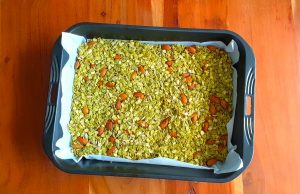
    Spread the mixture on a baking sheet and bake for 1 hour at 150 degrees.

    pre baked matcha granola
    Step 5

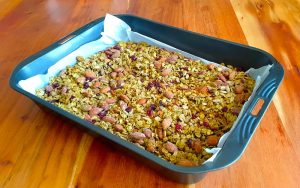
    Take the mixture out of the oven and mix with the dried fruits and toasted coconut pieces. Wait until cool and dig into your matcha granola!

      baked matcha granola

      How do you prefer to eat your granola? Comment down below and share with us your tips and stand a chance to win some goodies when our next recipe blogpost is up.

      Green Tea 101

      Green Tea 101

      Civilisations in China and Japan have been using green tea for medicinal purposes for thousands of years. Green tea is tea in its purest form because tea makers have minimal room to alter its production techniques.

      It is absolutely crucial in its manufacturing process to prevent oxidation of the fresh leaf and preserve the natural green color. In most cases, tea farmers will lightly steam fresh leaves from the plant to produce it.

      Green tea offers many different leaf styles and flavor characteristics. Without doubt, tea connoisseurs will delight in its transitory tastes and sweet-smelling aromas that are fresh, delicious and uncomplicated.

      Tea plantations produce it year-round in subtropical locations, but only at specific times in the warm months in temperate zones. This corresponds to the specific varieties of camellia sinensis grown in these dissimilar places. The quality of the leaf generally relates to the time of year and number of plucks (harvests) per year.

      In regions of the world in which the tropical sub varieties of camellia sinensis, such as assam bush or java bush grow, leaf for green tea may be plucked all year-round.  

      green tea 101 tea bag in cup with flower jar and teabags

      Health Benefits

      Drinkers are currently using green tea as a beverage or dietary supplement to relieve digestive symptoms and headaches. It is also used to improve mental alertness and promote weight loss.

      Although many studies have been done, researchers still have yet to obtain definite conclusions on its health benefits. However, limited evidence available suggests that it might have beneficial effects on some heart disease risk factors, including blood pressure and cholesterol.

      There’s evidence that green tea enhances mental alertness, as would be expected because of its caffeine content. [1]

      Read more: 3 Green Tea Tips for Weight Loss

      Read more: Antioxidants – Why Do You Need Them?

      Grades of Green Tea

      The terminology used to designate grades of green tea can differ widely, because no universal standard exists for grading it. Hence, this complexity and lack of standardization can be confusing. For example, some may use the term imperial to designate the top grade of a particular tea. Others may label the same as premium. In brief, tea buyers should seek high quality tea at reasonable prices.

      Buyers can find it difficult to know whether a certain tea is more expensive than another because it is overpriced or of a higher grade. There will be no resolution to this because the tea industry cannot possibly codify the thousands of green teas available, so it is necessary to cultivate a relationship with a trustworthy tea brand. As you become familiar with our teas, you will in essence become familiar with our criteria for selection. This will prove to be more valuable to your enjoyment of tea than any complex, universal system of standards could ever be.

      However, premium green teas tend to follow a specific plucking standard. Generally, it is plucked early in the spring and have certain country-specific particulars.

      Chinese wisdom in the tea garden dictates, “tea that is picked early is a treasured; picked late, it’s trash.

      Because it is processed so minimally, the size of the leaf before manufacture has a critical impact on the flavor of the finished tea.

      p.s. Shop for our Green Tea Collection.


      Classic leaf styles

      • Bud-only; sword or sparrow’s tongue
      • Budset; sword or twisted needle
      • Open or leafy
      • Flat of flaky
      • Twist
      • Spiral or crimped
      • Needle or wiry
      • Ball or rolled
      • Compressed
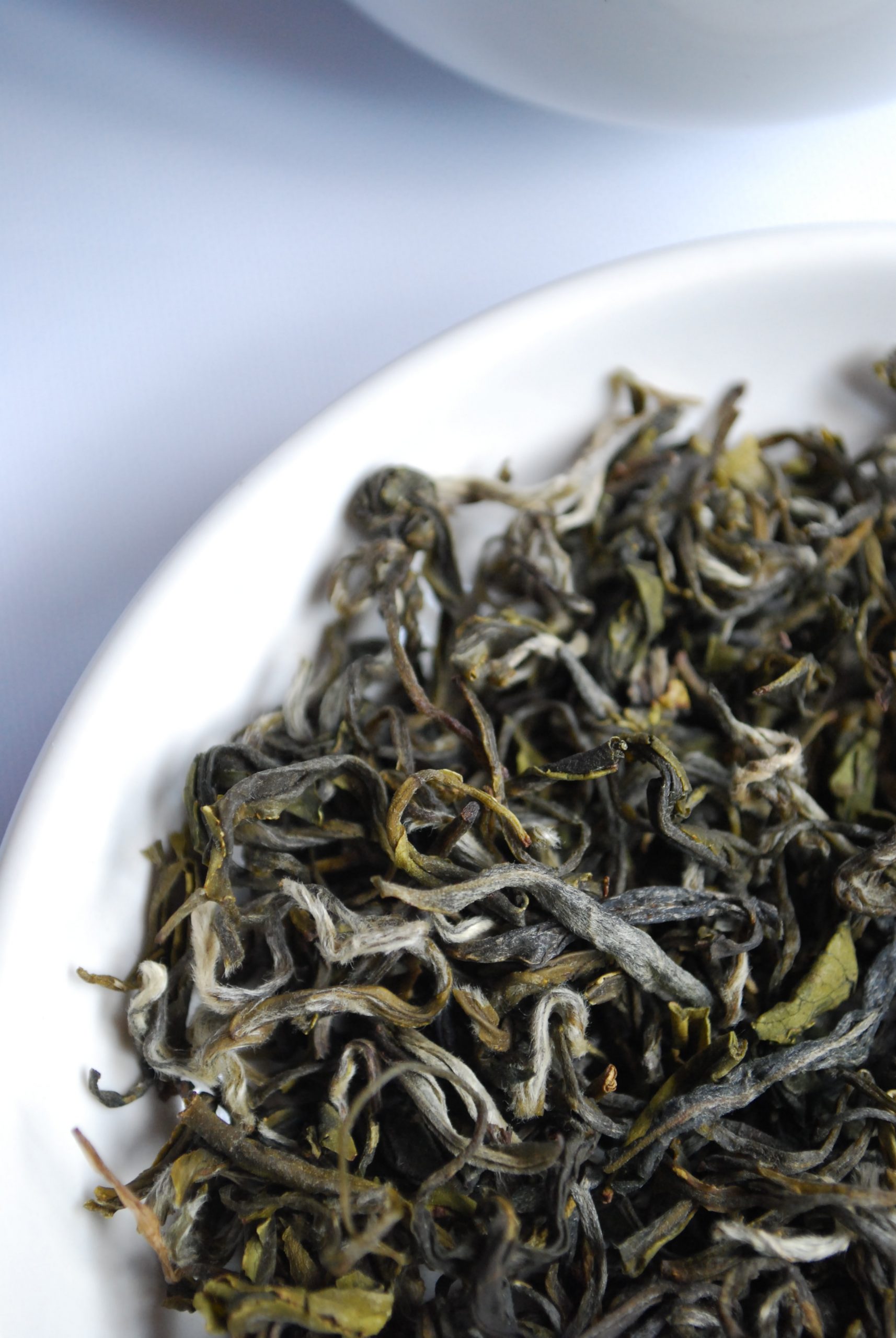
      loose leaf green tea

      Taste components

      • Aromatic
      • Astringent
      • Body – varies from light to full
      • Bright
      • Character
      • Clean
      • Crisp
      • Fresh
      • Grassy
      • Green
      • Herbaceous
      • Kelpy
      • Lingering finish
      • Mineral
      • Soft
      • Spicy
      • Strength
      • Sweet
      • Vegetal
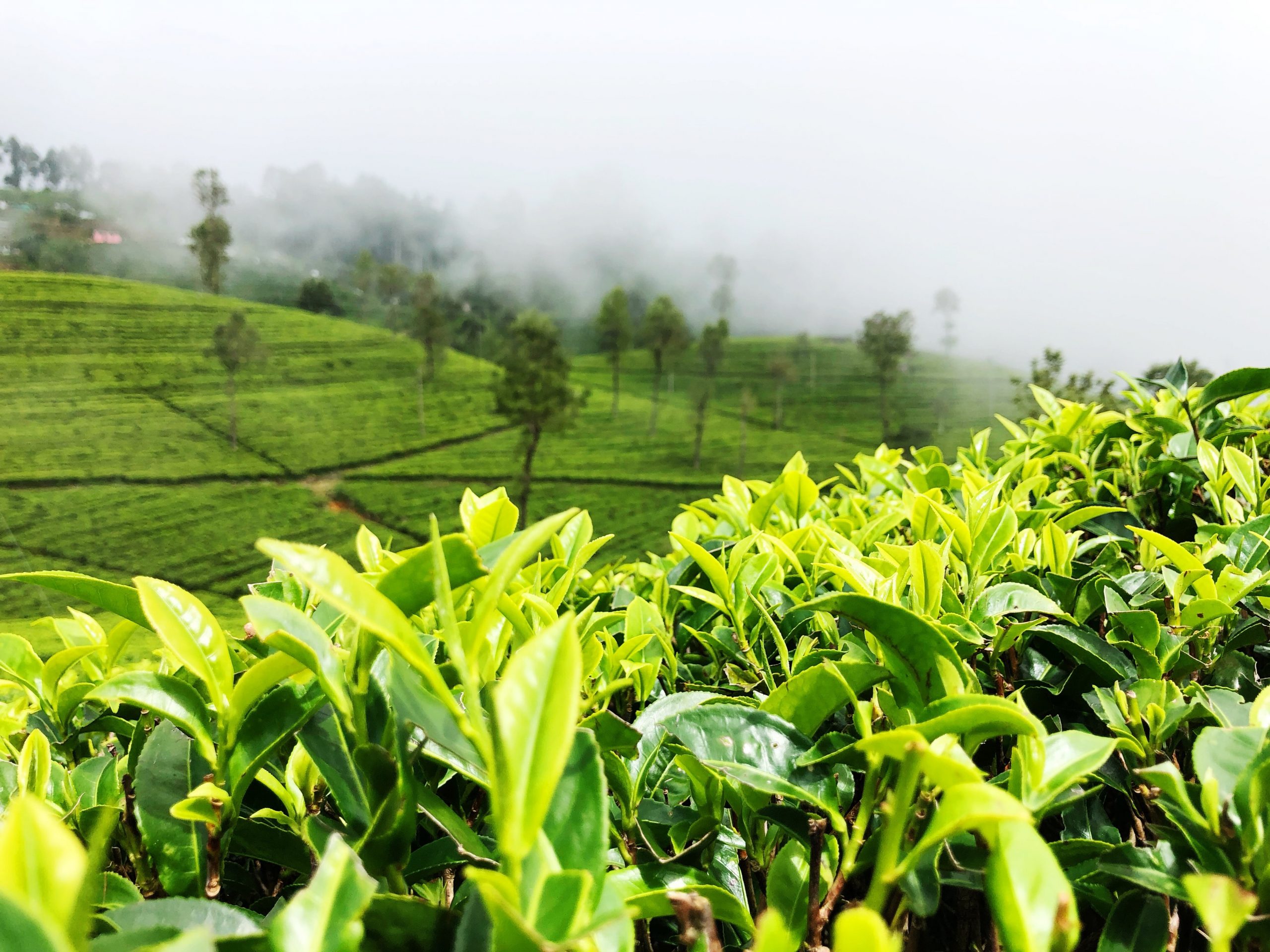
      tea plantation
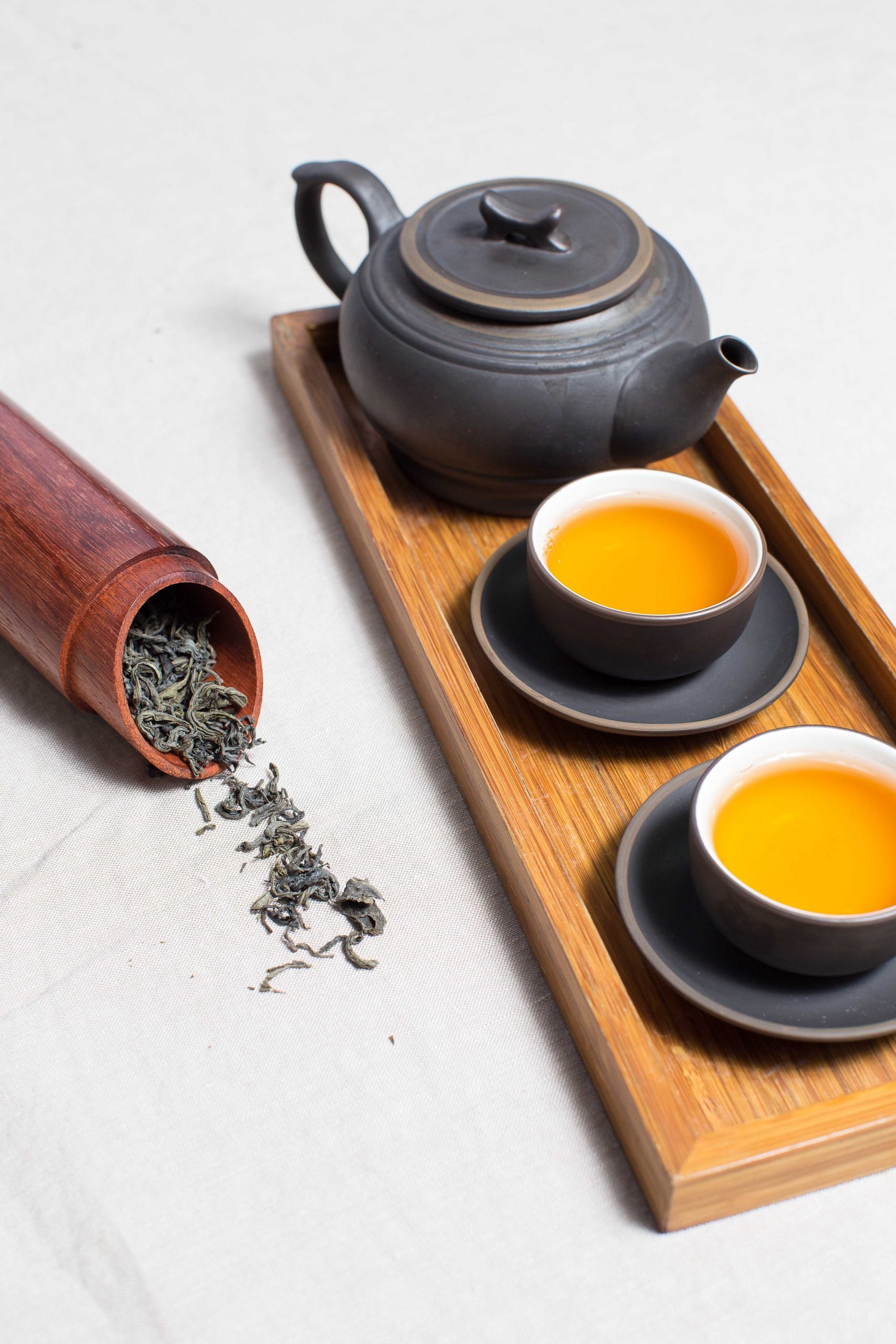
      chinese green tea in clay cups in bamboos

      Steeping Green Tea

      The first harvest of teas in the spring season will fill the mouth with fresh, delicious flavors that are sweet and refreshing. Being more delicate than most other classes of tea, green tea requires steeping water that has cooled from the boil. Water that is too hot will force the leaf to become bitter, rather than encourage it to yield the sweetness inherent in the leaf.

      Teas from China

      • 1 to 2 tablespoons of leafy tea (per 175ml of water)
      • 1 to 2 teaspoons for bud tea
      • Spring teas: 70 – 75°C
      • Other teas: 75 – 80°C
      • Steeping time: 90 seconds to 2 minutes

      Teas from Japan

      • 1 to 2 teaspoons (per 175ml of water)

      • Steeping temperature: 70 – 75°C

      • Steeping time: 90 seconds to 2 minutes

      Read more: Tea Brewing Instructions

      Read more: 3 Green Tea Pairing Tips for Beginner

      The Role of Green Tea

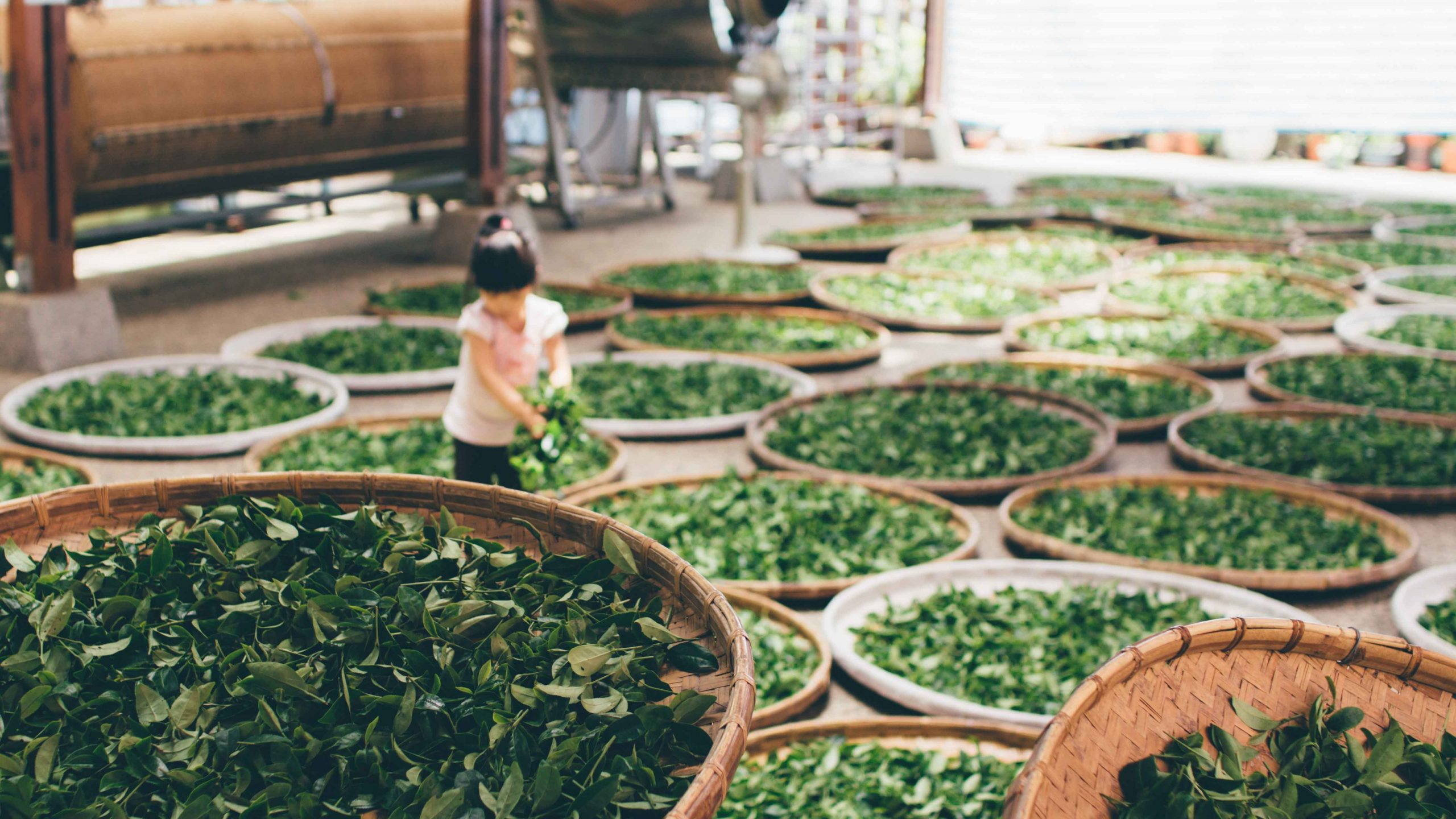
      green tea being dried in baskets

      CHINA

      Green tea has been the most popular form of tea in China since the Southern Song dynasty. In fact, approximately 70 percent of China’s yearly output of tea is green tea. Generally, there are almost ten thousand distinctions of it produced in China’s eastern provinces of Anhui, Henan, Hunan, Jiangsu, Jiangxi and Zhejiang and the western provinces of Sichuan, Guizhou and Yunnan.

      China’s most delicious green teas are delicate, fresh, and clean. Some possess vegetal flavors in the cup whilst others are earthy and grassy in style, reflecting the cool climate and austere soil found high in the tea mountains.

      JAPAN

      Buddhist monks brought tea seeds to Japan in the early 9th century. Most green tea consumed in Japan is produced on this small but intensively farmed country of islands. Japanese tea enthusiasts are deeply connected to the flavor of Japanese tea. They are also rarely attracted to the tea offerings of other countries.

      The flavor of Japanese tea is vivid, striking and vegetal, which makes it unique and deliciously refreshing any time of the day. In the cup, the best Japanese teas feature both astringency and controllable attribute of tea that has been finely honed by Japanese tea artisans.

      In contrast to China, Japan historically produces only one major class of tea – green tea. Japan’s green teas are usually dark, forest green, thin and needle-shaped. Underscoring this selective focus is the additional fact that Japanese tea makers produce only a scant handful of green tea varieties, a distinction that highly contrasts with that of neighboring China.

      Emphasis is not on specific tea gardens or famous mountains, but on distinctions that differentiate the teas from larger geographical areas such as Shizuoka, Kyushu and central Honshu.

      We source our high quality Japanese teas from Yame, Japan – highly renowned for their premium quality.

      In Japan, tea should exhibit three necessary traits: good aroma, taste and appearance.

      Read more: Matcha 101

      [1] From National Center for Complementary and Integrative Health, (2016, November). Green Teahttps://www.nccih.nih.gov/health/green-tea

      Related Guides

      Related

      Black Tea Goodness

      It is no question that tea lovers tout green tea as THE miracle tea of choice. But what about its counterpart, the black tea? Don’t brush it off just yet. Scientists have discovered a whole host of health benefits linked to it. 
      read more

      Black Tea 101

      By the end of the Ming dynasty (1368 – 1644), the culture of tea drinking was growing in the West. But black tea did not find appreciative drinkers until the Dutch embraced Chinese tea after 1640, when Dutch traders introduced tea to society patrons in Hague and it became a fashionable lifestyle. Eventually, it became the most sought-after trade commodity of the English East India Company.

      read more

      Crunchy Matcha Granola Recipe

      This is a perfect recipe for those who are looking for a healthy alternative to your traditional cereal breakfast. We love the versatility of granola because you can eat it for breakfast, dessert or even as a snack on the go. Making your own granola mix is not only affordable but super fun and simple to do. 

      read more

      Sugar – Sneaky Culprit

      Sugar – Sneaky Culprit

      Love sugar? Do you have a sweet tooth?

      Don’t brush it aside because this might be a deeper problem.

      Sugar addiction is a very real thing but most people don’t realize they have it. Neither do they understand the damage it wrecks on their bodies.

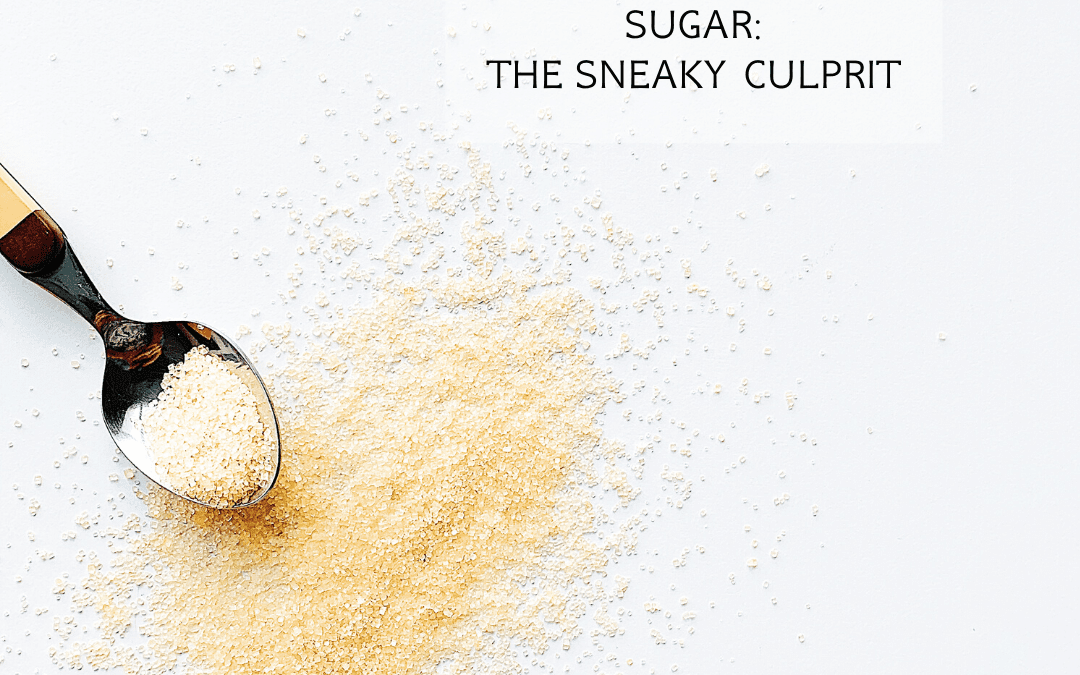
      sugar on spoon which is the sugar culprit

      I. Signs you may have a sugar habit

      • Often have spontaneous and intense cravings for something sweet.
      • Do you insist on having your daily fix of Coke, soda, or other sugary drinks?
      • Trouble saying no to desserts.
      • You go out of your way to satisfy your sweet tooth.
      • You have a stash of sugary foods, and you binge on them when you’re alone.
      • Constantly feel irritable or uncomfortable when you don’t get to eat sweet foods.

      If you have said yes to some or all of the questions above, then you most likely struggle with an addiction.

      II. The science behind sugar addiction

      Most people understand that sugar is bad for them but they cannot stop themselves from reaching out and eating large quantities of it.

      Why?

      Scientists have discovered that sugar literally triggers brain pathway activities in the same way that cocaine and heroine does. Eating it triggers dopamine secretion in the reward center of the brain. A diet with excess sugar will flood the brain with reward signals, which, over time, will override self-control and lead to addiction. 

      In short, the more sugar you eat, the more you will WANT to eat. 

      And when you do try to stop, you experience withdrawal symptoms in the same (albeit less intense) ways a drug addict does.

      There is also a metabolic component to sugar addiction. When we reach out for that delicious chocolate bar, what happens is a crazy spike in glucose levels in the bloodstream. Subsequently, it produces a pleasant “high”. The body then has to release insulin to strive to bring blood sugar levels back to normal. A “crash” results, causing irritability and cravings for more sugar. Unfortunately, the cycle goes on and on, making it difficult to stop.

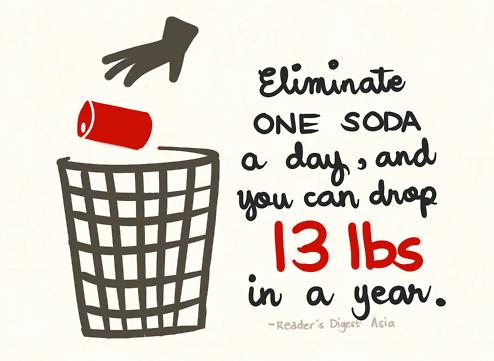
      eliminate one soda a day and you can save 13b lbs in a year
      eat less sugar because you are sweet enough

      III. Why is sugar harmful?

      1. Syndrome X

      Excessive consumption of sugar is linked to insulin resistance, also called “metabolic syndrome” or “syndrome X”. When this happens, body cells become immune to the effect of insulin, and glucose levels in the blood build up. Insulin resistant individuals stand at a high risk for metabolic diseases such as obesity, diabetes, high cholesterol, hypertension.. even cancer. Skipping out on that candy bar is a much lower price to pay than having to deal with painful and chronic disease later on.

      2. Acne

      The spike in insulin following high sugar consumption triggers sebum production and clogging of follicles in the oil glands of the skin. Sugar also promotes inflammation in the body. Inevitably, this results in breakouts.

      sugar is as addictive as cocaine

      IV. Recognize and eliminate the sneaky culprit

      The nature of today’s food industry is that sugar hides in the most unexpected of places. In brief, it is our responsibility as consumers to be educated and to make wise choices. It might be impossible to cut out sugar completely from our diet, but it is possible to make smarter and healthier choices.

      Besides the obvious suspects such as candy, ice cream and cake, here are some surprising high-sugar culprits: 

      1. Fruit Juice

      Yes, that’s right! Fruit juice! Many people think that fruit juice is healthy, but it really depends on how it is made. The boxed/bottled juices that line supermarket aisles are extremely high in fructose, even those labeled “No Sugar Added”. The main problem is this – these fruit juices contain a whole lot of sugar but with no fiber. It doesn’t matter if the sugar you drink comes from fizzy drinks, Boost smoothies or fruit juice. Sugar is still sugar.

      A 250ml serving of common fruit juice contains just as much sugar as 4 Krispy Kreme donuts. 1

      Alternative: 
      You are far better off eating whole fruits. The fiber slows down sugar absorption, and it is quite impossible to overeat because fruit is very filling.

      Try our Apple Cinnamon tea to curb sugar cravings too! They taste delicious, and are completely natural without added sugars.

      2. Yogurt

      Especially the flavored kinds! This so-called “healthy” food is loaded with sugar, coloring and other chemicals. 

      Alternative: 
      Organic plain yogurt or low fat Greek yogurt. Add your own fresh whole fruit for flavor and sweetness. 

      3. Refined Carbs

      E.g. White rice, white bread, pasta, white potatoes. These get converted to sugar as soon as they enter your body. 

      Alternative: 
      Wholegrain carbs like wholemeal bread, brown rice and beans. These carbs get broken down slowly in the body, so there will be no sudden blood sugar spikes and crashes.

      4. Dressings and Sauces

      Most mass-produced sauces and dressings often contain high levels of sugar, in the form of high fructose corn syrup. Teriyaki sauce and barbeque sauce has an average of 10 g and 9 g per 2 tbps respectively. 

      Alternatives: 
      Pure herbs and spices. McCormick and MagicTime sell these in convenient little bottles. Use them to dress your salads or meats instead. 

      V. Other helpful tips

      Having someone to be accountable to makes a whole world of difference.

       “I’m so tired today.”

       “Maybe tomorrow.”

       “Who needs exercise when I can have extra fries.”

      Sound familiar?

      Left on our own, we may never have dragged our lazy bum off the couch. 

      Find an exercise partner. Get your mom to nag at you. Find a workout partner. Immerse yourself in fitness communities. Sign up for group classes. Pay for a gym membership. Being healthy is a journey and you’re better off when you have like-minded people to do it with.

      – Try dark chocolate as a small treat! It is a fantastic way to get a dose of antioxidants without overloading your body with sugar. Make sure you get 70% and above, and don’t overeat. 

      – At the mamak, ask for “kurang manis” or “kosong”. 

      Cutting out sugar is one of the best things you can do for your health. It gets easier when you understand what you are doing and why. The more control you have over your sugar cravings, the more control you have over your life and the quality of your body. 

      Related Guides

      Related

      Black Tea Goodness

      It is no question that tea lovers tout green tea as THE miracle tea of choice. But what about its counterpart, the black tea? Don’t brush it off just yet. Scientists have discovered a whole host of health benefits linked to it. 

      read more

      Black Tea 101

      By the end of the Ming dynasty (1368 – 1644), the culture of tea drinking was growing in the West. But black tea did not find appreciative drinkers until the Dutch embraced Chinese tea after 1640, when Dutch traders introduced tea to society patrons in Hague and it became a fashionable lifestyle. Eventually, it became the most sought-after trade commodity of the English East India Company.

      read more

      Crunchy Matcha Granola Recipe

      This is a perfect recipe for those who are looking for a healthy alternative to your traditional cereal breakfast. We love the versatility of granola because you can eat it for breakfast, dessert or even as a snack on the go. Making your own granola mix is not only affordable but super fun and simple to do. 

      read more

      Matcha 101

      Matcha 101

      Matcha seems to be the entire craze lately.

      It has become the in beverage – touted by celebrities, and at the same time, chugged down by trendy hipster cafes. Generally, it is stirring up a storm in the health and beauty world.

      roleaf matcha 101 in bowl with whisk

      What is matcha?

      It essentially means “powdered tea”. Japanese craftsman crush tea leaves into a special form of fine powder to make it a drink. In comparison to traditional green tea, it is healthier and more concentrated. It is more potent because you are drinking the actual tea leaves.

      p.s. Our Matcha powder is of the finest quality from Yame, Japan.


      Read more: Green Tea 101


      matcha powder
      matcha powder

      1. Nutritional Matcha

      It is a much more powerful source of nutrients because it is more concentrated than traditional steeped green tea. Vitamins, minerals, antioxidants and polyphenols, matcha has it all.

      Tip: A cup of matcha a day keeps the doctor away!

      2. Calmness

      It is a great alternative to coffee. It will help with the decaffeinating process. You get the alertness you need without the crash. It also has the added benefit of the compound “l-theanine” which induces relaxation without drowsiness. In brief, alert yet calm.

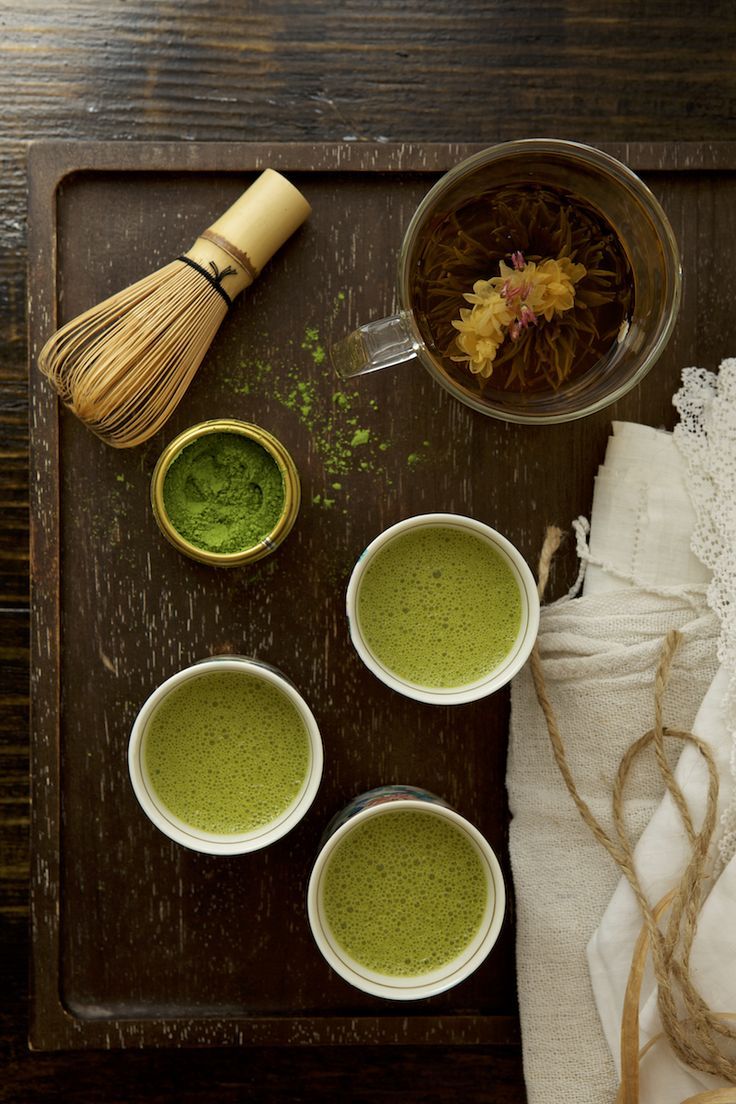
      Matcha is traditionally prepared by mixing a teaspoon of matcha powder with a third cup of hot water (heated to slightly less than a boil). The drink is then whisked with a bamboo brush until it reaches a nice frothy consistency.

      3. Weight Loss

      Matcha is rich in the compound catechins which has thermogenic properties. Therefore, it increases metabolism, and promotes fat oxidation, even at rest.

      Tip: Studies have shown that exercising immediately after drinking it results in 25% more fat burn during exercise.

      Read more: 3 Green Tea Tips for Weight Loss


      4. Fibre

      Constipation? Matcha contains a high level of easily absorbable dietary fibre that will ensure smooth excretion. Besides that, it also help in stabilizing blood sugar levels.

      What are you waiting for? Get some matcha into your daily regime! Buy now!

      It will definitely boost your health and take it to the next level.

      Related Guides

      Related

      Black Tea Goodness

      It is no question that tea lovers tout green tea as THE miracle tea of choice. But what about its counterpart, the black tea? Don’t brush it off just yet. Scientists have discovered a whole host of health benefits linked to it. 

      read more

      Black Tea 101

      By the end of the Ming dynasty (1368 – 1644), the culture of tea drinking was growing in the West. But black tea did not find appreciative drinkers until the Dutch embraced Chinese tea after 1640, when Dutch traders introduced tea to society patrons in Hague and it became a fashionable lifestyle. Eventually, it became the most sought-after trade commodity of the English East India Company.

      read more

      Crunchy Matcha Granola Recipe

      This is a perfect recipe for those who are looking for a healthy alternative to your traditional cereal breakfast. We love the versatility of granola because you can eat it for breakfast, dessert or even as a snack on the go. Making your own granola mix is not only affordable but super fun and simple to do. 

      read more
      Antioxidants – Why Do You Need Them?

      Antioxidants – Why Do You Need Them?

      You may have heard a lot of talk about antioxidants.

      However, few people know what they are or how they work.

      To understand the necessity of antioxidants, firstly, we must understand free radicals. Free radicals are highly reactive compounds. It is naturally produced in our bodies as a result of normal metabolic processes. It can also be produced as a natural response to environmental toxins such as excessive sunlight, cigarette smoke, harmful chemicals and radiation.

      These free radicals attack healthy cells in our body. This can lead to all sorts of degenerative issues such as aging, skin damage, decline in immune system, and even chronic disesases such as cancer, Alzheimer’s and atherosclerosis. In fact, medical researchers have found that free radicals are a main contributor to at least 50 types of chronic diseases.

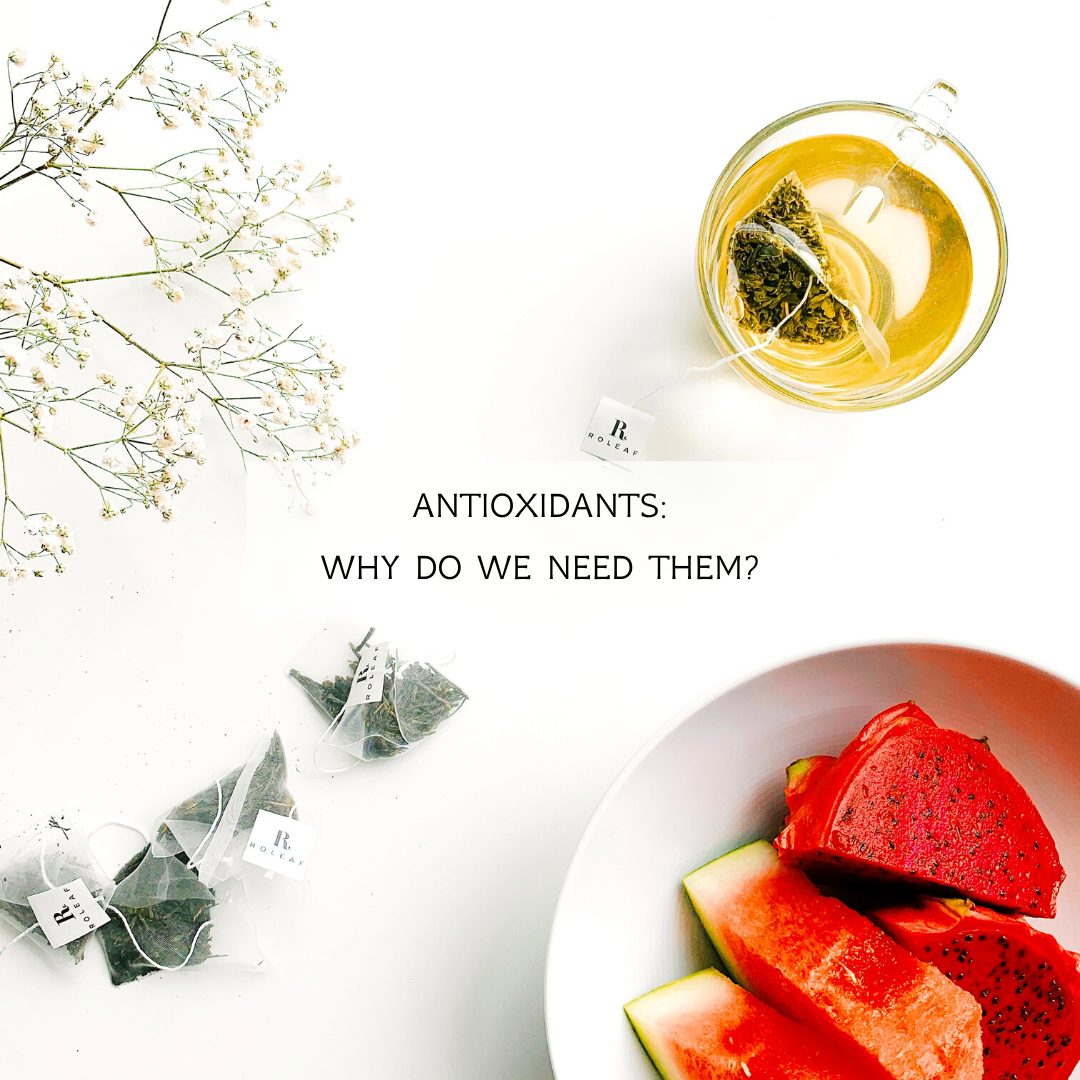
      roleaf antioxidants - why do you need them. tea with fruits

      Function of Antioxidants

      Here is where antioxidants come in. They neutralize and reverse the effect of free radicals in our bodies. Antioxidants stabilize and deactivate free radicals before they have a chance to damage healthy body cells. Therefore, antioxidants are extremely crucial in our diet to stop the accumulation of dangerous free radicals in our body.

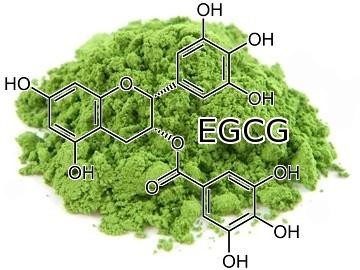
      matcha egcg
      roleaf health tea guide

      Sources of Antioxidants

      A healthy diet will readily supply most of the antioxidants our bodies need. Good sources are:

      1. Vegetables

      Most vegetables contain powerful phytochemical that reduce inflammation and fight carcinogens. These are the two common side effects of free radical damage.

      Tip: Juicing vegetables will ensure you get the optimum benefit.

      2. Fruits

      Fruits from the berry family such as raspberries, strawberries, blueberries and cranberries contain some of the most potent antioxidants. For example, Vitamin C, carotenoids, carotenes and phytochemicals.

      Besides that, there are also other awesome sources such as dragonfruits, prunes, plums and pomegranates.

      Tip: The darker and more color-condense the fruit, the higher the amount of antioxidants.

      3. Green Tea

      Green tea is rich in EGCG (epigallocatechin-3-gallate), an extremely powerful antioxidant. EGCG readily fights free radical damage in our bodies and reduces the risk of many chronic diseases such as cancer.

      Read: 5 Cups of Tea A Day Keeps the Doctor Away

      Tip: Our green tea and matcha are of the highest quality. Hence, it will prove to be an invaluable addition to your diet.

      Read: 3 Green Tea Tips for Weight Loss

      Antioxidant is essential to a healthy lifestyle. Eat healthy and drink your cup of green tea today!

      Related Guides

      Related

      Black Tea Goodness

      It is no question that tea lovers tout green tea as THE miracle tea of choice. But what about its counterpart, the black tea? Don’t brush it off just yet. Scientists have discovered a whole host of health benefits linked to it. 

      read more

      Black Tea 101

      By the end of the Ming dynasty (1368 – 1644), the culture of tea drinking was growing in the West. But black tea did not find appreciative drinkers until the Dutch embraced Chinese tea after 1640, when Dutch traders introduced tea to society patrons in Hague and it became a fashionable lifestyle. Eventually, it became the most sought-after trade commodity of the English East India Company.

      read more

      Crunchy Matcha Granola Recipe

      This is a perfect recipe for those who are looking for a healthy alternative to your traditional cereal breakfast. We love the versatility of granola because you can eat it for breakfast, dessert or even as a snack on the go. Making your own granola mix is not only affordable but super fun and simple to do. 

      read more